Apr 23, 2026
How a Mural Can Transform a Small Business (and Why More Owners Are Investing)
A real-world look at how murals shape customer behavior, drive foot traffic, and turn everyday businesses into destinations, and what actually separates the murals that work from the ones that don't.
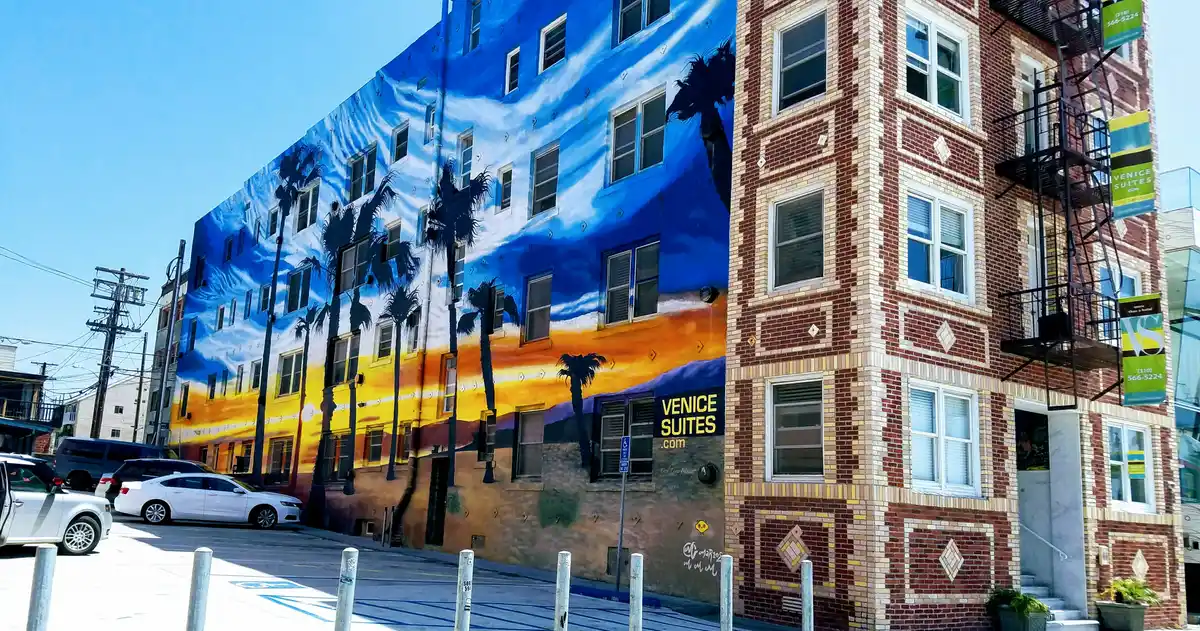
There's a coffee shop in Durham, North Carolina called Cocoa Cinnamon. Three locations, each one layered with murals inside and out.
It wasn't built as a marketing play. The owners are art people. They brought in artists they respected, gave them space to work, and didn't try to control the outcome too tightly.
What happened is something you see again and again when murals are done right.
Each location became a destination.
Not just for the product, for the space itself. People don't just stop in for coffee, they go out of their way to see the walls. First-time visitors take photos without thinking about it. Those photos get shared. New people come in already familiar with the space before they've even stepped through the door.
Over time, that compounds.
Regulars don't just come back for the product. They come back because the place feels like somewhere they want to be.
That's the difference.
When a mural works, it doesn't feel like marketing. It feels like identity.
The Photo-Op Economy (Whether You Like It or Not)
At this point, it's just reality: people choose where to go based partly on how it looks.
Not in a shallow way, in a spatial way.
They're asking: Does this place feel like something? Does it have a presence? Is it worth spending time in?
A strong mural answers that instantly.
From a business standpoint, what people call "user-generated content" is just a natural extension of that. Someone takes a photo in front of your wall, tags your location, and posts it. Their network sees it. Some of those people show up. They do the same thing.
It's not forced, and that's why it works.
You can spend $1,000 a month on ads and lose that visibility the moment you stop paying. A mural is a one-time investment that keeps generating attention quietly, every day, for years.
But there's a line most people miss.
A mural only works like this if it's actually good.
A wall that's just a logo or a forced branding exercise doesn't get photographed. People don't engage with it. It reads like an ad, and people instinctively move past it.
The murals that become part of a place are the ones where the artist had room to make something real. The business benefits because the work holds up, not because it's trying to sell something.
When It Doesn't Work
Not every mural helps a business. Some actively hurt it.
You see it all the time.
A mural that ignores its surroundings feels off immediately. A hyper-polished, trend-driven piece dropped into a quiet neighborhood reads as disconnected. People might not articulate why, but they feel it.
Execution matters too.
A rushed or low-quality mural signals something whether the owner intends it or not. It suggests shortcuts. It suggests a lack of attention to detail. In a competitive environment, that's enough to turn people away before they even walk in.
Style has to match context.
A barbecue spot, a neighborhood bar, and a high-end boutique shouldn't all be chasing the same visual language. The strongest murals amplify what's already there. They don't override it.
And then there's the part most owners don't think about upfront, maintenance.
Outdoor murals take a beating. UV exposure fades color faster than people expect, especially in places like Texas, Florida, or California. Humidity, pollution, and temperature swings all accelerate that.
A proper UV-protective clear coat helps, but it doesn't stop time.
At some point, the wall changes. Five years in, it won't look like it did on day one. Some owners appreciate that patina. Others don't. It's better to decide that before you commit.
Interior Murals Are a Different Conversation
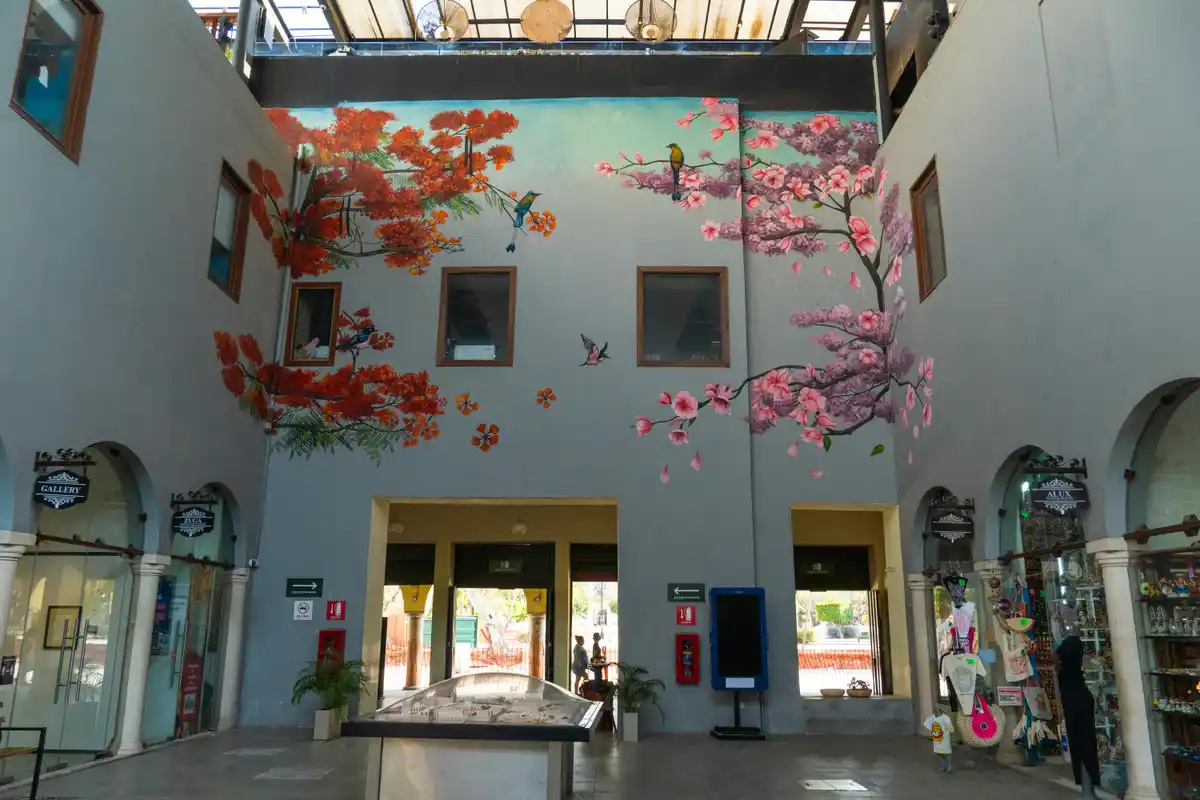
Exterior murals pull people in. Interior murals shape what happens after they walk through the door.
The best interior work doesn't feel like something added later. It feels integrated.
There's a brewery in Asheville, Burial Beer, where the murals aren't just decoration. They're part of the structure of the space. The tone of the artwork matches the brand so closely that it's hard to separate one from the other.
That's the level to aim for.
A well-considered interior mural sets the tone without announcing itself.
- A pediatric office with a soft, immersive environment that calms kids before they sit down
- A fitness space with energy built directly into the walls
- A barbershop with portraits that reflect the culture around it
When it works, people don't say "nice mural." They just feel like the space makes sense.
There's also a practical side. Interior murals last significantly longer. No UV exposure, no weather, no tagging. A well-executed interior wall can hold for 15 to 20 years with minimal maintenance.
The Businesses That Benefit the Most
Some businesses see stronger returns simply because murals align with how their customers already behave.
- Restaurants and cafes benefit because people naturally document their experience. The mural becomes part of that.
- Bars and breweries operate heavily on atmosphere. A strong wall sets the tone immediately.
- Retail in dense areas needs something that breaks visual noise. A mural does that faster than signage.
- Fitness spaces rely on energy and motivation. The right mural reinforces that before a workout even starts.
- Family-focused spaces use murals to signal comfort and approachability.
- Developers and property managers use murals to create a sense of place where there wasn't one before.
Different use cases, same underlying principle. A mural changes how a space is perceived before anything else happens.
What You're Actually Paying For
Most small business murals land somewhere between $2,000 and $8,000, with larger or more complex projects going higher.
But the cost isn't just paint.
You're paying for:
- The design process, translating your space and identity into something visual
- Surface preparation, which can be more work than the painting itself depending on the wall
- Professional-grade materials that hold up over time
- Equipment, lifts, scaffolding when needed
- A protective finish that determines longevity
That's what separates a mural that lasts from one that starts failing within a year. For a deeper breakdown, see our complete mural pricing guide.
What the Process Actually Feels Like
Most people expect it to be complicated. It's usually not.
You find an artist whose work you connect with. That matters more than anything else. Start by browsing mural artists in your city.
You reach out, share the basics, photos of the wall, what your business is about, rough budget. You don't need to have a concept fully formed. In most cases, it's better if you don't.
A good artist builds from that.
There's a back-and-forth phase where the idea gets refined. Then a schedule gets set.
Once painting starts, the process is surprisingly straightforward. Prep, layout, build-up, refinement.
Some owners stay involved and document the process. Others step back and let it happen.
Either approach works.
Then it's done.
No ongoing cost. No campaign to manage. Just a wall that keeps working.
The Honest Bottom Line
A mural isn't a shortcut.
It won't fix a bad product, a weak concept, or poor service.
What it does is amplify what's already there.
If the foundation is solid, a mural becomes one of the highest-leverage investments you can make in your physical space. It builds recognition, creates organic visibility, and anchors your business in a way that standard marketing rarely does.
The businesses that get the most out of it understand one thing:
This isn't hiring a vendor. It's working with an artist.
Give that process room to breathe, and the result tends to carry further than anything you could have planned.
If you're a mural artist looking to connect with more business clients, learn how to get found online or list your business in our directory.
Frequently Asked Questions
Do murals actually help small businesses get more customers?
How long does a business mural last?
Do I need a permit to paint a mural on my business?
How much does a mural cost for a small business?
Related Articles
Are you a mural artist?
Create your free listing and reach clients searching for muralists nationwide.
Add Your Listing