May 27, 2026
Types of Murals: A Visual Guide to Every Style
Explore 15 mural styles with real examples from 800+ murals across the United States. From photorealistic portraits to bold geometric walls, discover which mural style fits your space, story, and atmosphere.
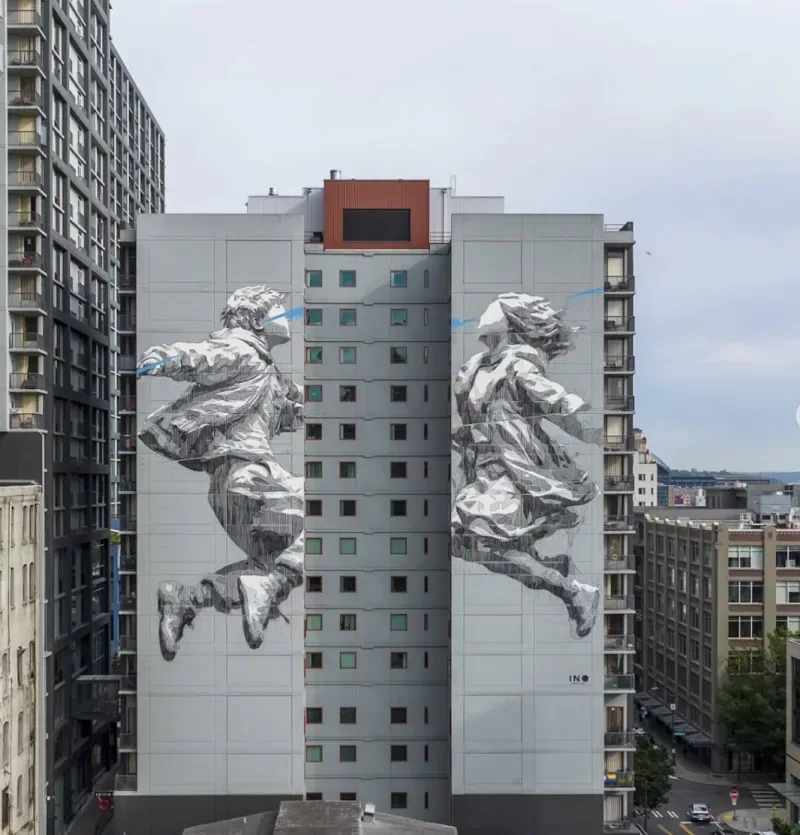
Some murals make people stop mid-conversation.
Some become meeting points. Some become neighborhood symbols. Some completely change the energy of a business, a side street, or an otherwise forgettable wall.
A great mural does more than decorate a surface. It changes how a space feels.
You see it in cities all across the United States. Austin alleyways covered in color. Miami warehouse districts where every building is a canvas. Side streets in Portland, Nashville, Denver, and Los Angeles that pull people in just because of what is on the walls.
But here is something most people never think about: every mural speaks a different visual language.
Style shapes everything. It determines mood, how people interact with the work, what kind of attention it attracts, and whether it complements a space or dominates it.
After cataloging more than 800 murals across our directory, certain patterns started to emerge. Some styles thrive in hospitality spaces. Others work best in public art corridors. Some are built for social media. Others reveal themselves slowly over time.
Here is a closer look at the mural styles shaping walls across the country right now.
Jump to a style:
Realistic and Photorealistic Murals
These are the murals that make you do a double-take. Realistic murals aim for lifelike accuracy, and the best photorealistic work is nearly indistinguishable from a photograph at first glance.
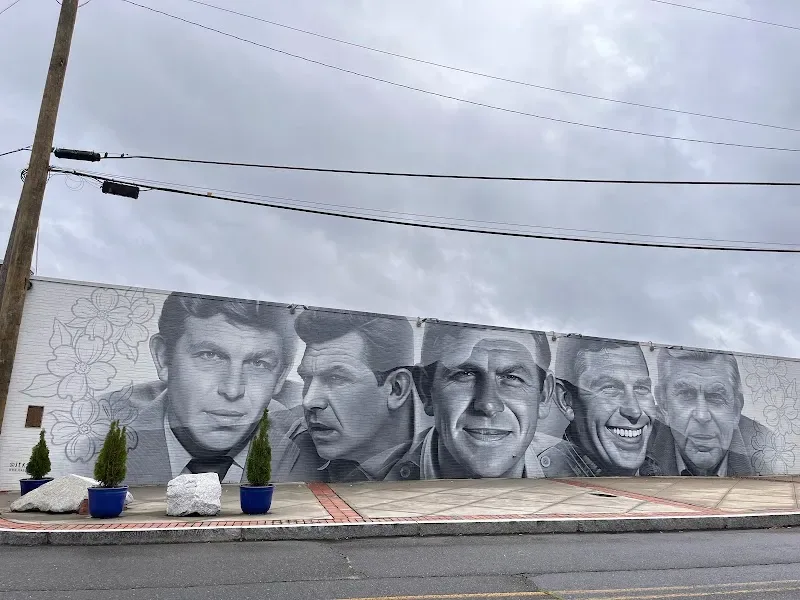
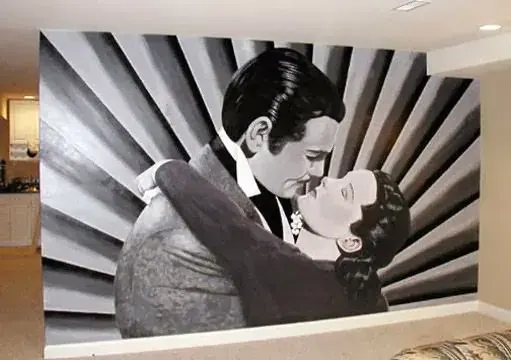
Realistic work is arguably the hardest form of mural painting. Every proportion, every shadow, every shift in skin tone has to hold up at massive scale. Weak technique has nowhere to hide.
But the best realistic murals carry something beyond technical skill. They carry presence. A thirty-foot portrait of a local figure can anchor an entire block. Memorial walls honoring cultural icons become gathering points. The realism gives the subject weight and permanence in a way that stylized work often cannot.
Realistic murals also age differently than other styles. Because the work depends on precision, any fading or damage shows more visibly. If you are considering a realistic mural, understanding mural pricing and maintenance costs upfront is worth the conversation.
Best for: Memorial murals, tribute walls, hospitality interiors, public art installations, statement walls.
Surreal Murals
Surreal murals bend reality. They create a tension between the familiar and the impossible that keeps your brain trying to solve what it is seeing.
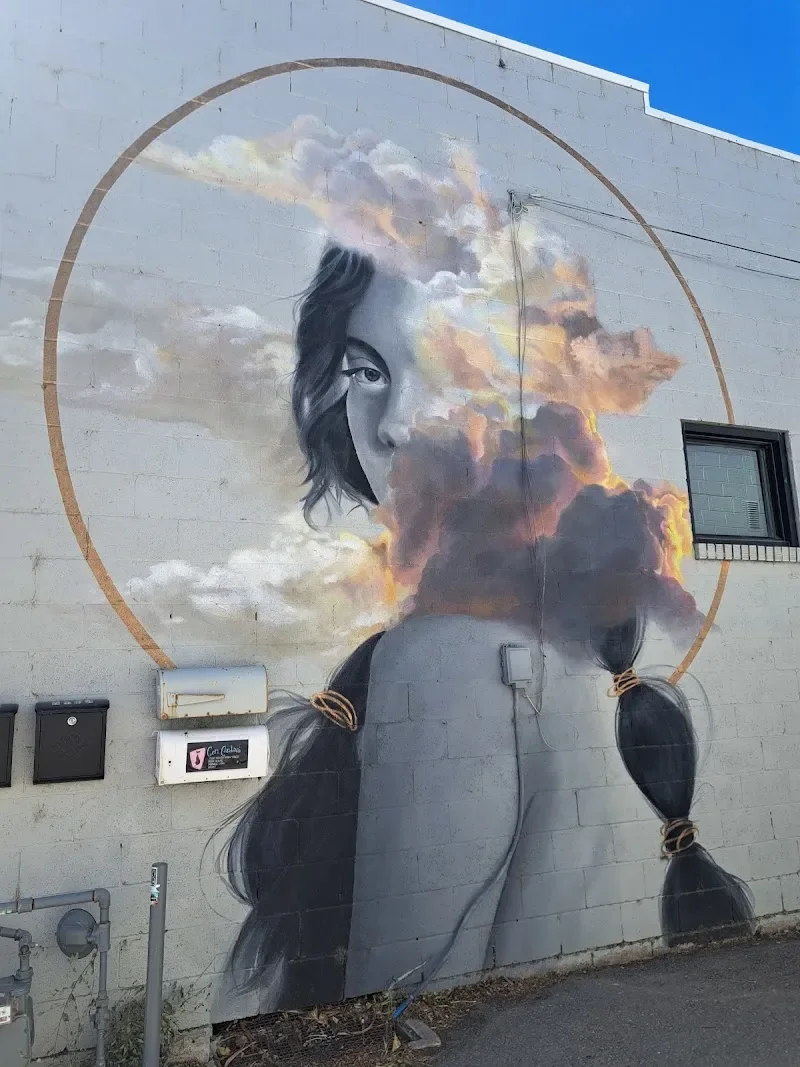
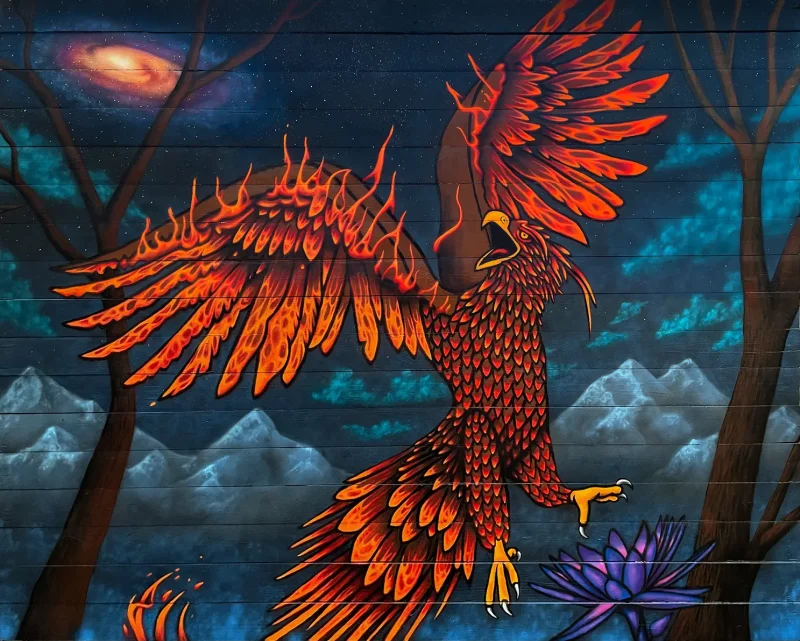
That tension is what makes surrealism so effective on walls. People do not just glance at a surreal mural and move on. They stop. They look again. They try to understand the relationships between elements. The work rewards repeat viewing in a way that more straightforward styles often do not.
Surreal murals also spark conversation. They give people something to talk about, interpret, and disagree on. For businesses, that kind of engagement is difficult to manufacture through any other means.
Best for: Creative agencies, bars, galleries, boutique hotels, music venues.
Abstract Murals
Abstract murals operate on movement, texture, composition, and color. There are no faces, no landscapes, no recognizable scenes. The work is pure visual energy.
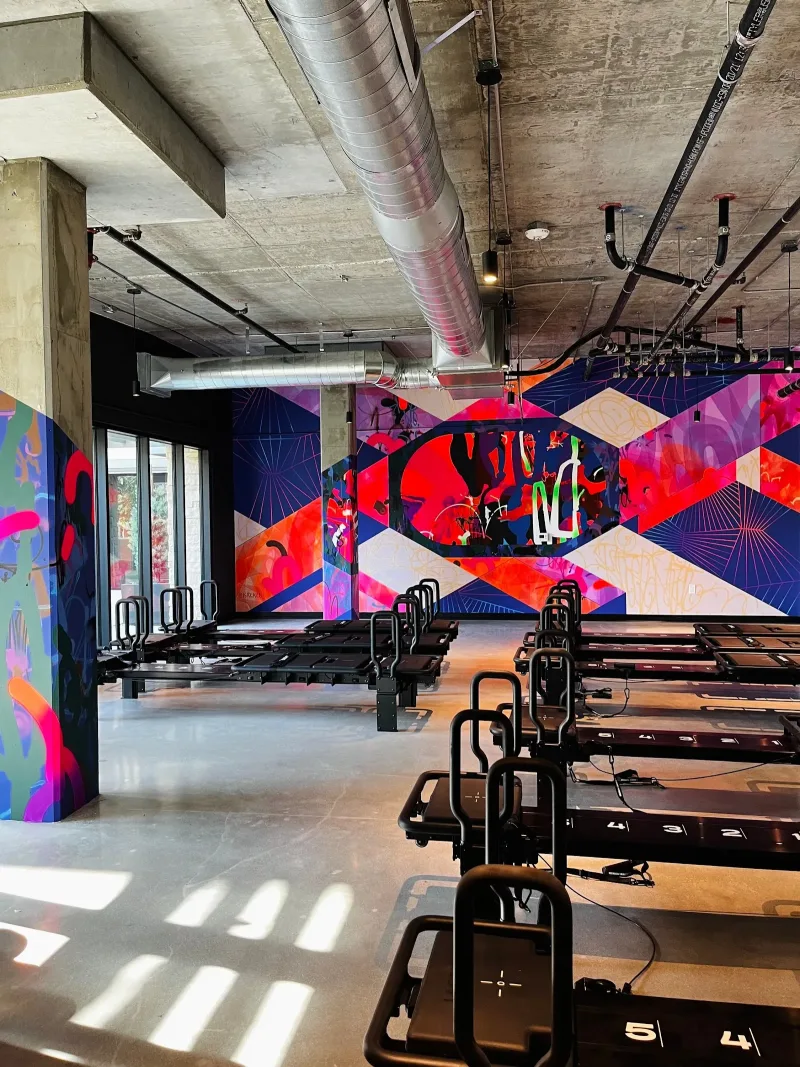
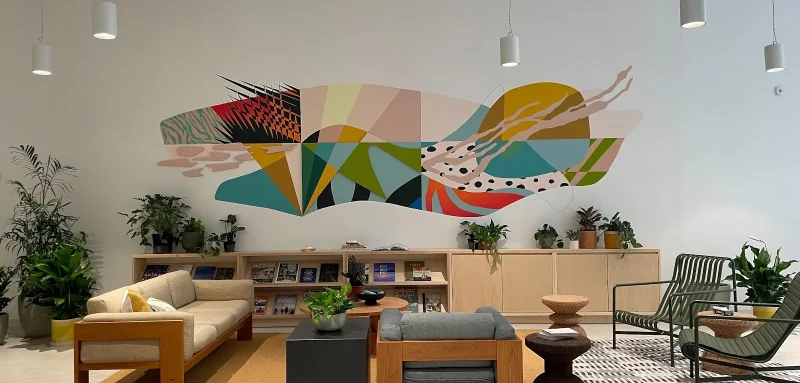
That makes abstract murals uniquely powerful in certain spaces. They change the atmosphere of a room or building without overwhelming it with narrative. They do not compete with signage, branding, or architecture. Instead, they complement it.
Abstract work tends to shine in architecture-driven spaces where the structure itself is part of the design language. A clean, modern lobby with a bold abstract mural feels intentional. The art and the space reinforce each other.
At large scale, abstract murals can feel physically alive. The sweeps of color, the layered textures, the interplay of form all create something that shifts depending on where you stand and how light hits the surface.
Best for: Corporate spaces, hotel lobbies, coworking spaces, modern residential interiors.
Geometric Murals
Geometric murals are built on clean lines and precision. Some lean architectural and minimal. Others push into complex optical patterns that seem to shift as you move past them.
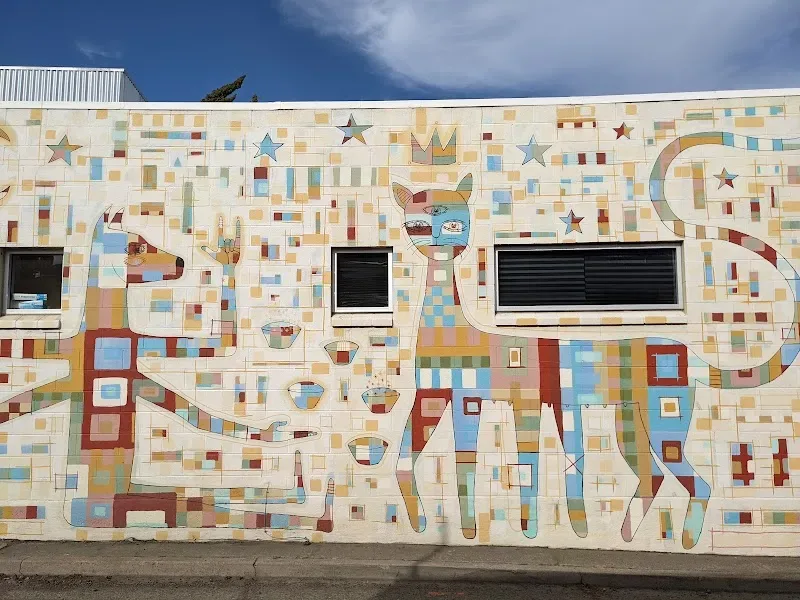
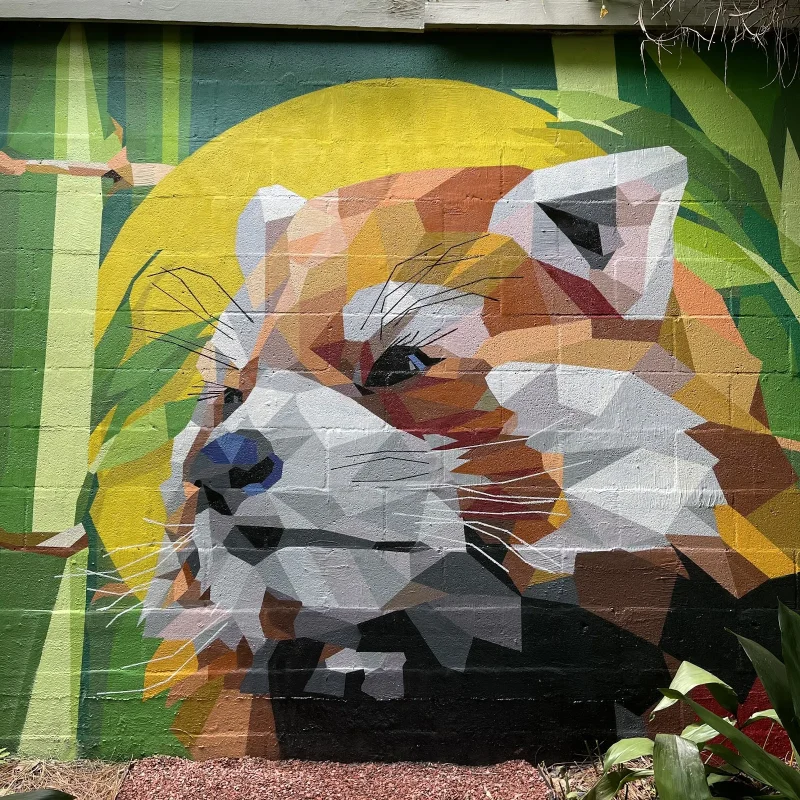
Geometric work photographs exceptionally well. Strong lines and bold color blocks create contrast that reads clearly on screens, which is one reason businesses gravitate toward it for visual impact.
Geometric work also catches light beautifully on textured surfaces. Brick walls, concrete panels, and rough stucco all add dimension to flat geometric forms in ways that smoother styles do not.
One underappreciated quality of geometric murals is how they can reshape the perceived proportions of awkward spaces. A narrow alley, a squat wall, or an oddly shaped facade can feel completely different with the right geometric composition.
Best for: Retail facades, office interiors, parking garages, accent walls.
Nature and Landscape Murals
Nature murals are universally loved. Organic forms, lush botanicals, sweeping landscapes. Bringing the natural world onto a built surface resonates with people in a way that few other styles can match.
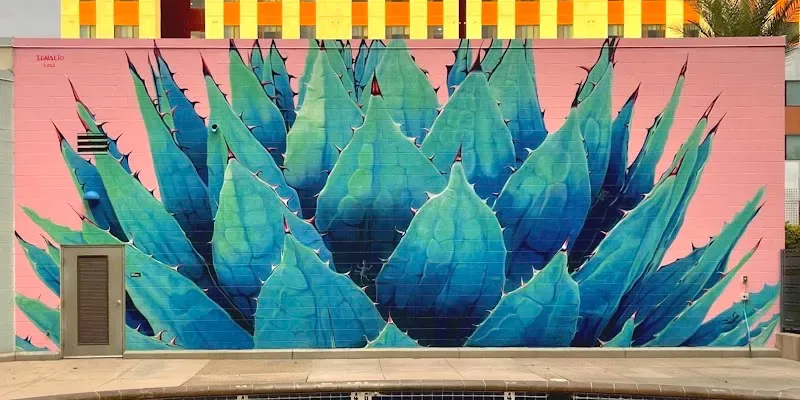
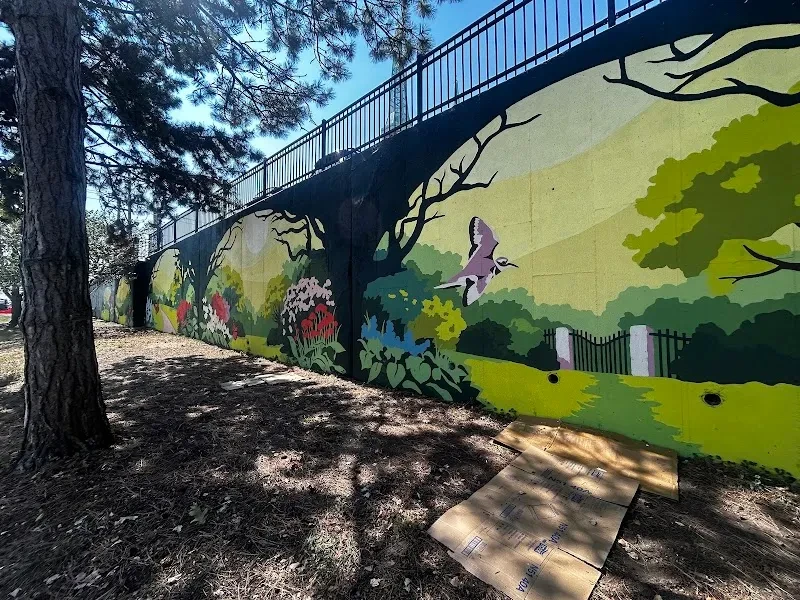
Botanical murals in particular have become a staple for restaurants and hospitality spaces. They add warmth without competing with the dining experience, and they create a sense of place even in windowless rooms.
Nature and landscape murals also carry psychological depth. In small or enclosed spaces, a well-executed landscape mural can create the feeling of openness and air. It gives a room a sense of breathing that plain walls simply cannot.
Best for: Restaurants, spas, yoga studios, residential interiors, wellness spaces, garden walls.
Portrait Murals
A face thirty feet tall on the side of a building commands attention like nothing else. Portrait murals create an emotional connection that almost no other style can touch.
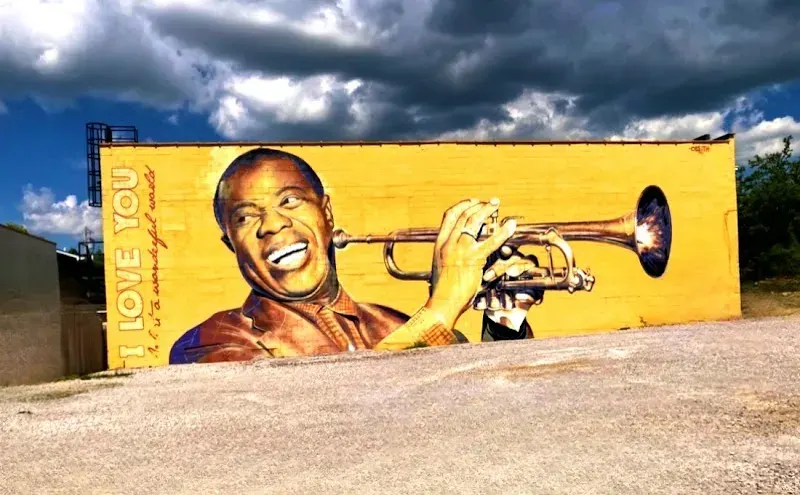
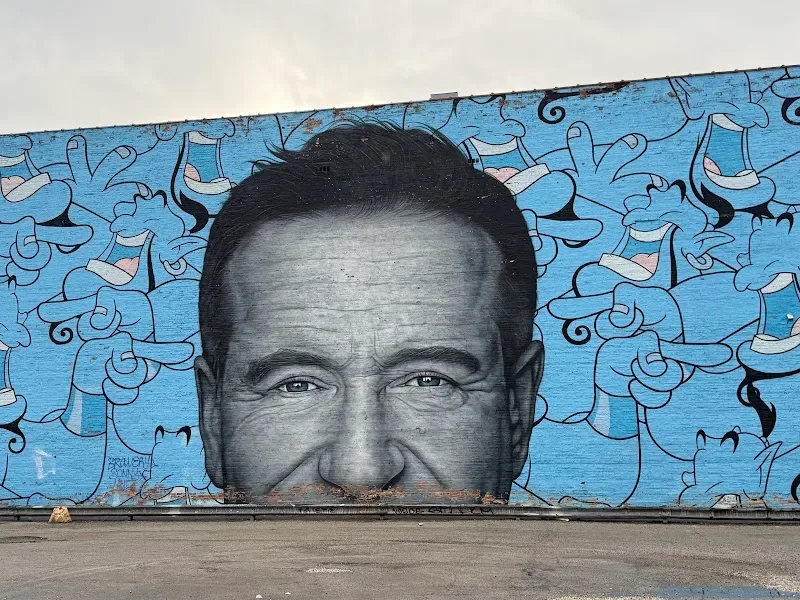
What separates a good portrait mural from a great one is presence. Not just likeness, but personality and memory. A portrait of a community elder, a lost loved one, or a cultural figure becomes a landmark. People point to it. Tell stories about it. It becomes part of the neighborhood.
Portrait work is technically demanding at scale. Proportions that look correct on a sketch can distort on a curved or uneven wall. Artists working at this scale have to compensate for surface texture, viewing angle, and even sunlight direction.
Best for: Community walls, memorial murals, barbershops, schools, cultural centers.
Animal and Wildlife Murals
Animal murals connect with people instantly, which is why wildlife subjects show up in murals across every city. They carry emotional flexibility that few other subjects can match. Birds suggest lightness and freedom. Predators bring intensity. Marine life pulls you into something calming and immersive.
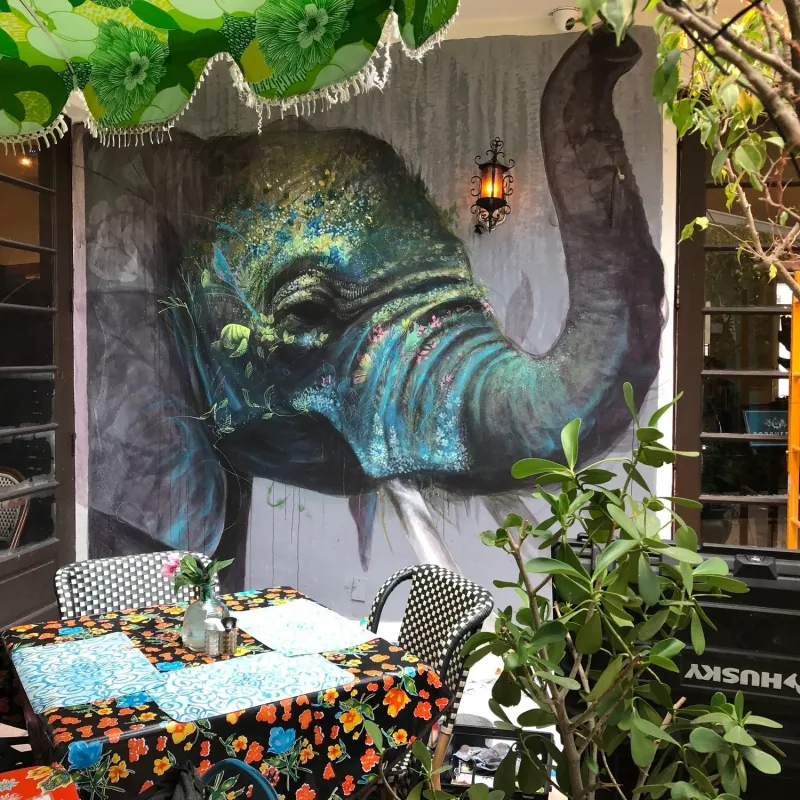
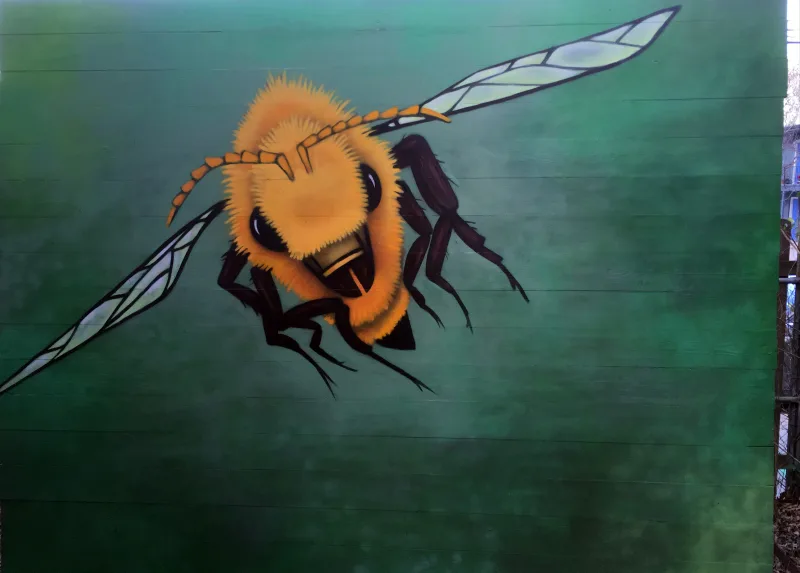
Many animal murals also carry conservation awareness. A massive endangered species on the side of a building is a quiet but powerful statement. It puts the subject in front of thousands of people daily in a way that no social media post or article can replicate.
The technical range is enormous. Feathers, fur, and scales at large scale each require completely different approaches. Strong wildlife muralists bring both aerosol control and genuine understanding of their subjects.
Best for: Nature centers, veterinary clinics, schools, public art, conservation-focused spaces, children's spaces.
Graffiti and Street Art Murals
Graffiti-style murals carry a raw energy that no other style replicates. The spray textures, the dripping paint, the layered letter forms. It is the DNA of graffiti culture translated onto legal walls.
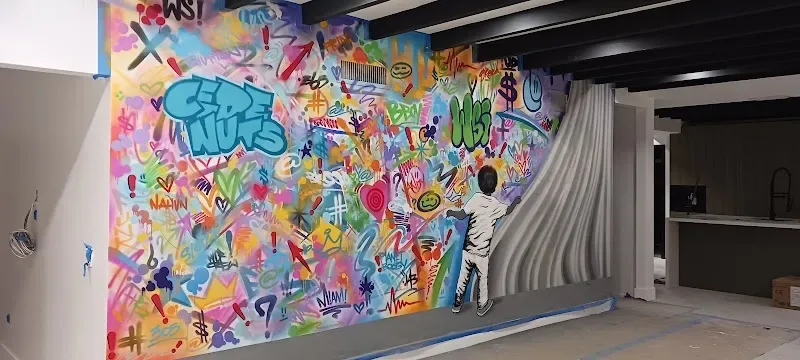
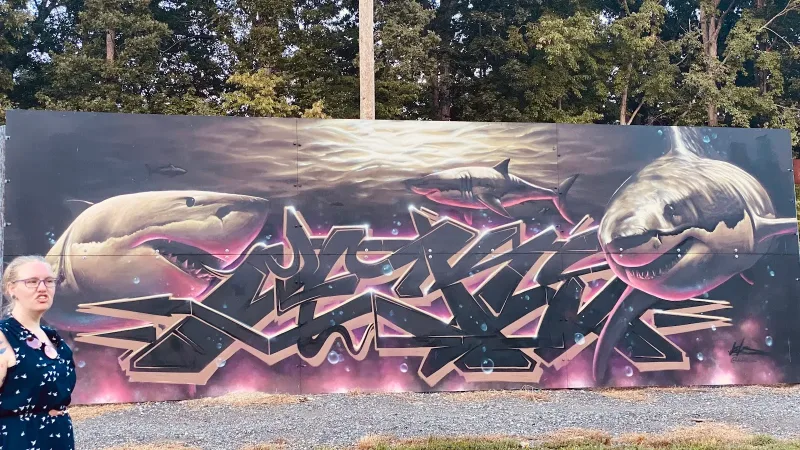
The style was born from rebellion, and that origin still shapes how it reads. Businesses that commission graffiti-style work are betting on authenticity, edge, and cultural awareness. It works when it is genuine. It falls flat the second it feels like imitation.
Worth knowing: graffiti-style murals use aerosol paint, and aerosol fades differently than latex or acrylic. The vibrancy that makes them striking on day one can shift faster in direct sunlight. Planning for that upfront helps with expectations and maintenance.
Today, styles once criminalized are used to market luxury developments and high-end commercial spaces, sometimes in neighborhoods where the original artists can no longer afford to live. We dig into that tension in our full article on graffiti vs street art.
Best for: Breweries, music venues, skate shops, streetwear retailers, entertainment districts.
Pop Art Murals
Pop art murals are built to grab attention. Bold outlines, saturated color, comic-inspired imagery. The style is immediately accessible and almost impossible to ignore.
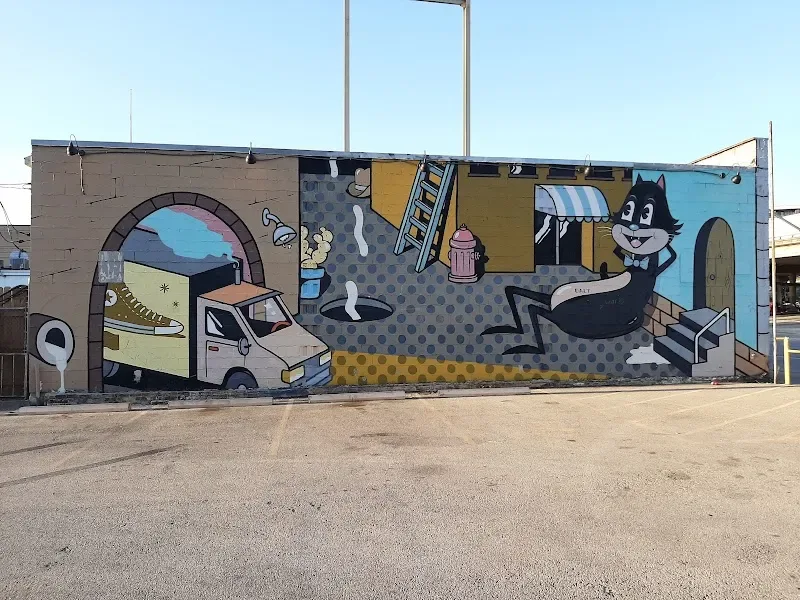
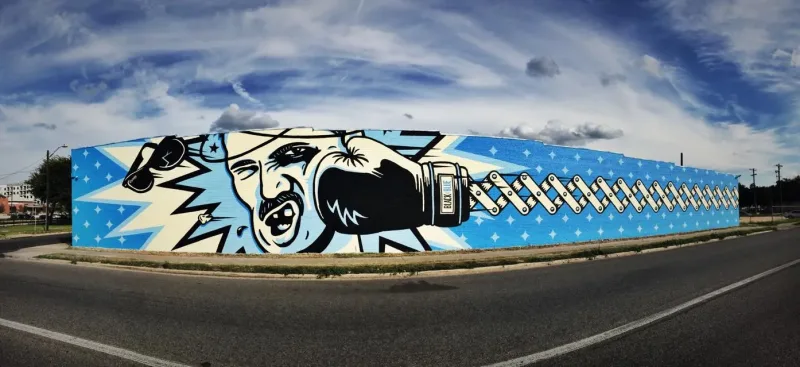
For businesses, pop art murals can become a core part of brand identity. The visual language is fun, energetic, and approachable. It blends nostalgia with modern design sensibility in a way that appeals across demographics.
Pop art also reads well from a distance. The bold shapes and high-contrast colors make these murals effective even on busy streets where more subtle work might get lost in visual noise.
Best for: Restaurants, retail stores, entertainment venues, cafés, event spaces.
Illustrative Murals
This is the most common and broadest category of mural work. Illustrative murals span everything from graphic novel aesthetics to commercial illustration to folk-inspired linework.
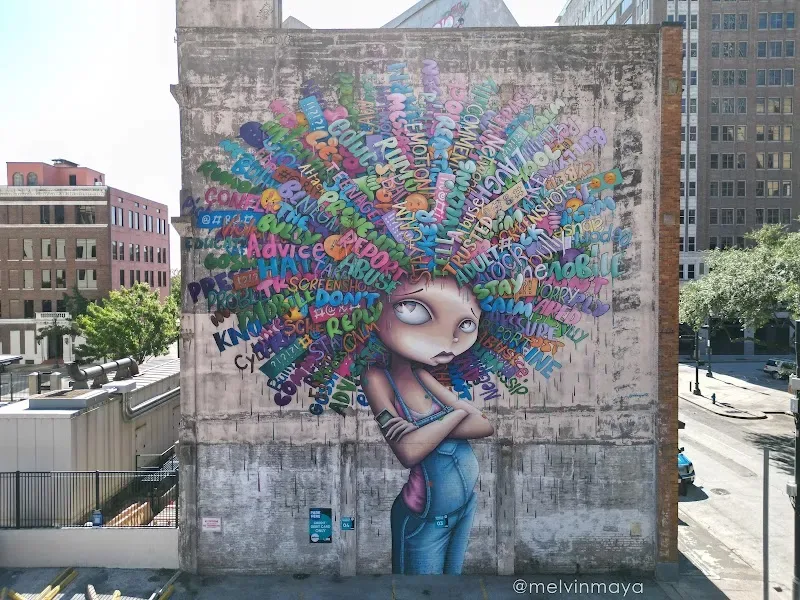
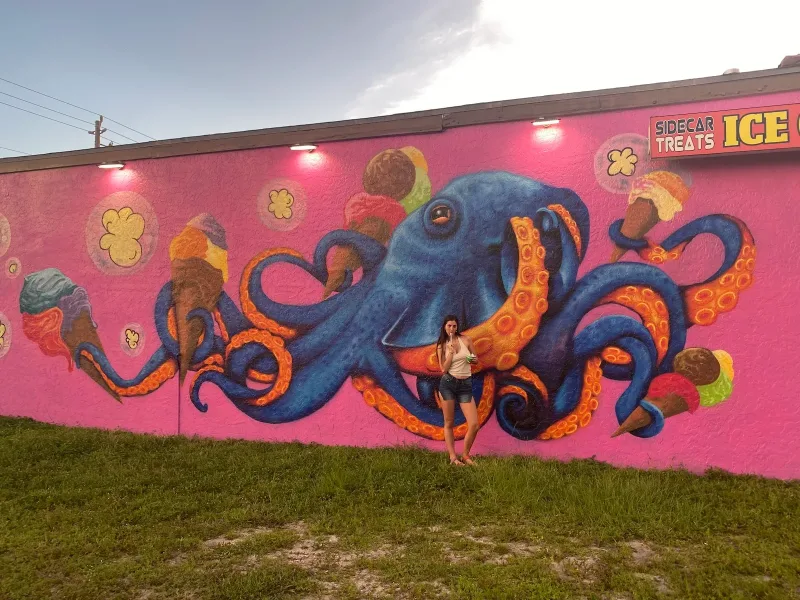
What ties them together is interpretation. Where realistic murals try to replicate what the eye sees, illustrative work simplifies, exaggerates, and interprets. A face might be rendered with bold outlines and flat color. A landscape might be reduced to its essential shapes and palette.
Illustrative murals are incredibly adaptable. They work on small accent walls and massive building facades. They can be playful or serious, dense or minimal. They scale beautifully because precision is less about photographic accuracy and more about compositional strength.
Many of the most recognizable murals in major cities fall into this category. The combination of bold color, clear form, and aerosol or brush textures gives them visual energy that reads well from both a distance and up close.
Best for: Restaurants, breweries, retail spaces, creative offices, schools, cafés, community walls.
Whimsical Murals
Whimsical murals are built on imagination, playfulness, and joy. They often feel like stepping into an illustrated book, with characters, fantastical elements, and a sense of wonder that appeals to both children and adults.
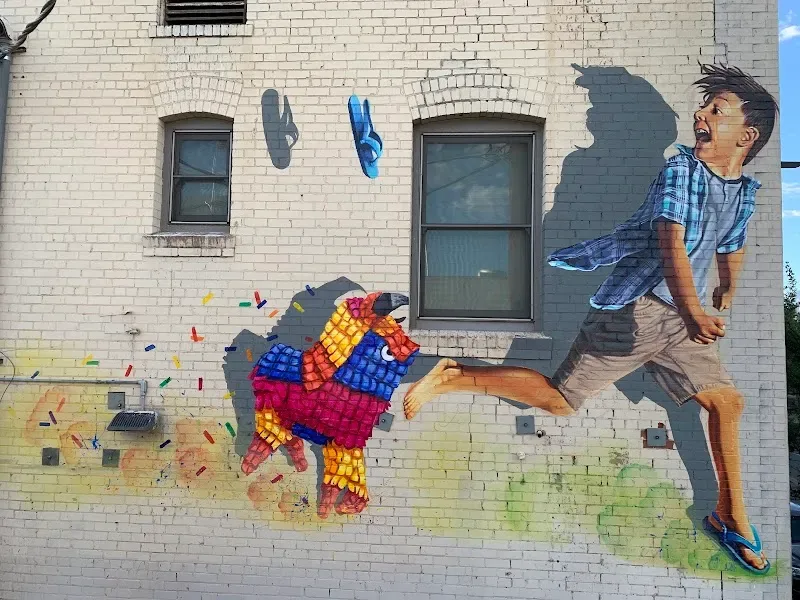
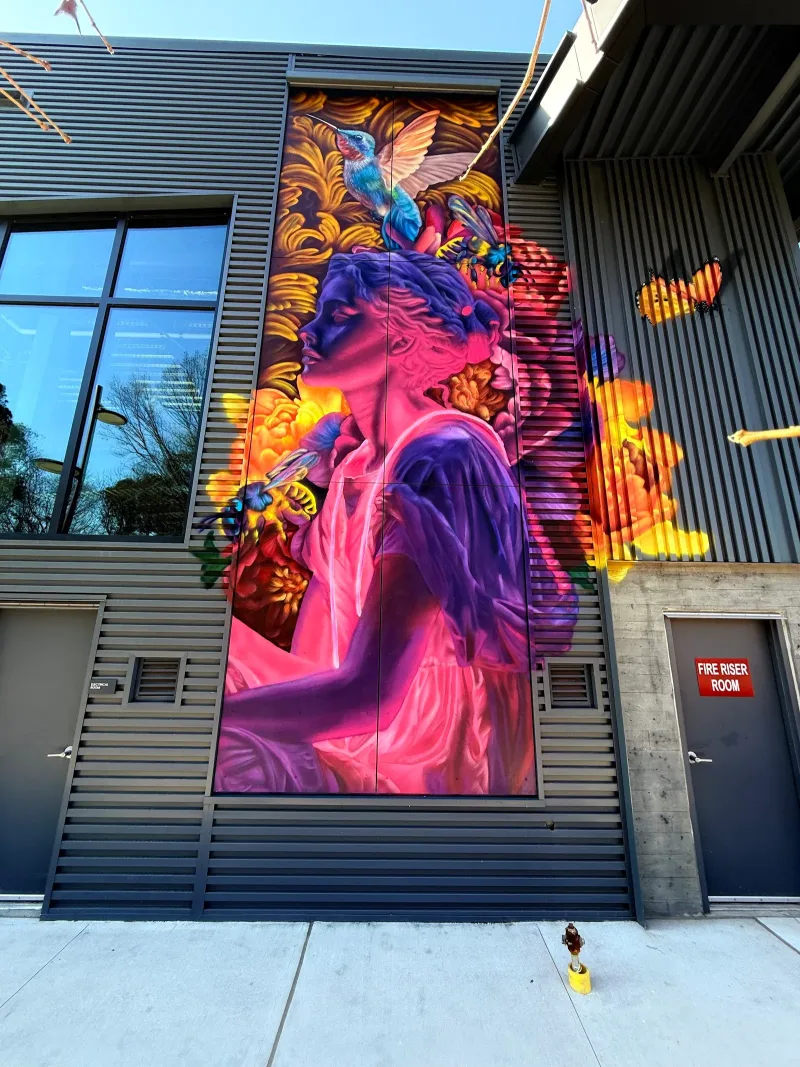
The warmth comes through immediately. Whimsical work creates a welcoming atmosphere that puts people at ease. In spaces designed for families or young audiences, this style sets the tone before a single word is spoken.
Personality matters here more than technical precision. Whimsical murals that land feel hand-made in the truest sense. Loose brush textures, imperfect lines, unexpected color choices. You can sense the artist behind the work.
Best for: Children's rooms, libraries, cafés, pediatric clinics, schools.
Typographic Murals
Typographic murals turn words into artwork. Hand-painted lettering carries a personality that digital fonts simply cannot replicate. Every brushstroke, every slight imperfection, adds a human quality that people respond to instinctively.
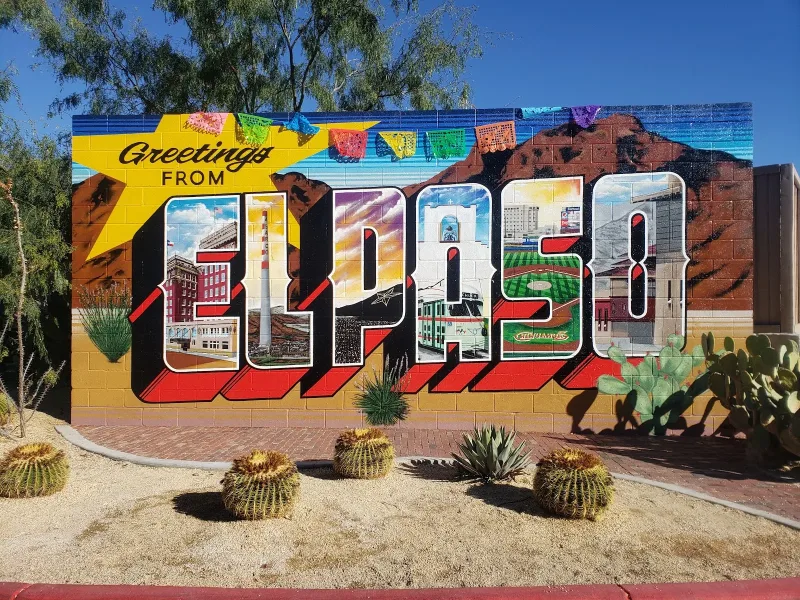
Typographic work bridges fine art and branding in a way that feels natural rather than forced. A hand-lettered quote, a business name rendered with real artistry, a public mantra painted at scale. The words carry visual weight and communicate a clear message at the same time.
Best for: Brand walls, cafés, retail interiors, breweries, office spaces, menu walls.
3D and Trompe l'oeil Murals
These are the murals that make people walk backward to see them again. Using perspective, scale, and shadow, 3D murals create the illusion of depth on flat surfaces. Holes in walls, staircases leading nowhere, windows opening onto impossible views.
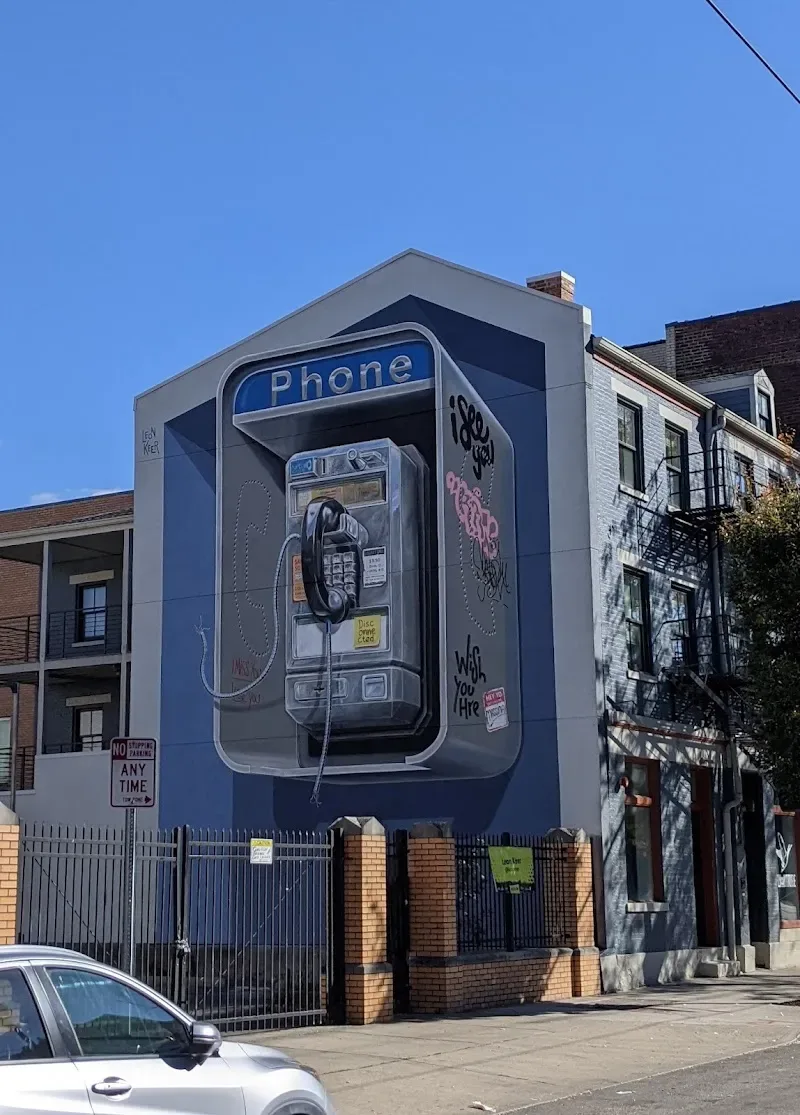
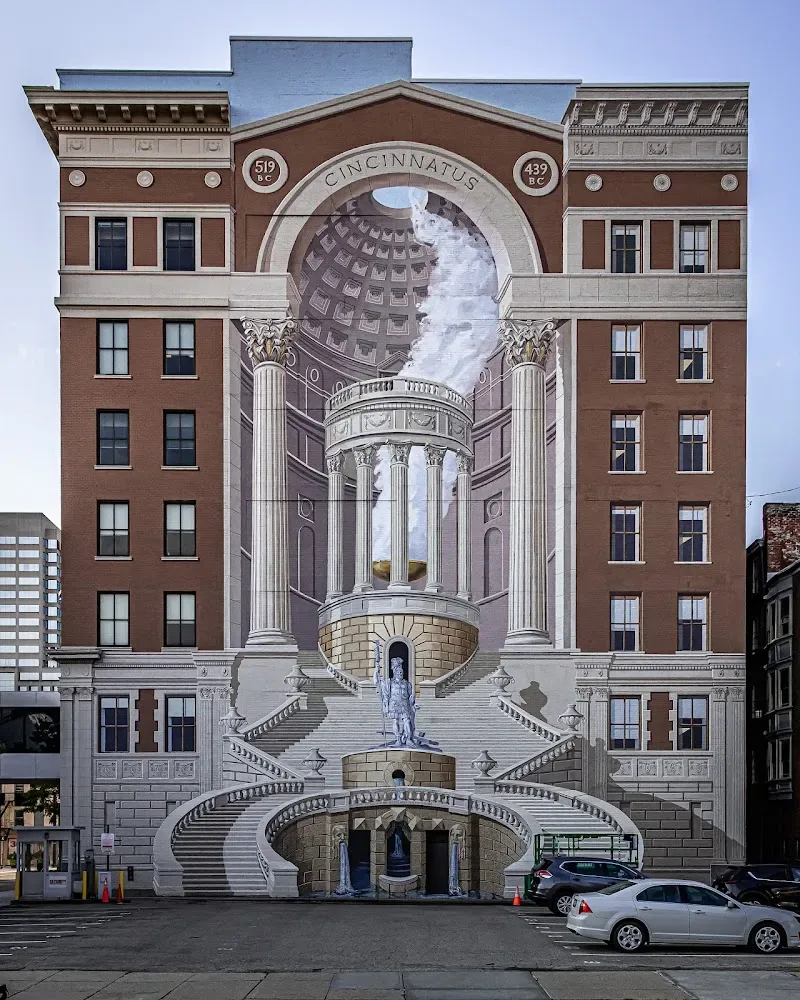
Trompe l'oeil, which translates to "trick of the eye," has roots stretching back to ancient Rome. On modern walls, the technique creates interactivity without any technology. People pose with the illusions, step into the scenes, and share the results. It is one of the most inherently shareable mural styles.
The planning involved is more intensive than most styles. The viewing angle has to be calculated precisely. The light source has to be consistent. And the artist has to commit fully to the illusion. Any break in the effect and the entire mural reads as an impossible attempt rather than an impossible scene.
Best for: Tourist attractions, museums, retail experiences, restaurants, public plazas.
Minimalist Murals
Minimalist murals use restraint as power. A single continuous line. Two tones on a vast wall. A simple form that dominates through scale alone.
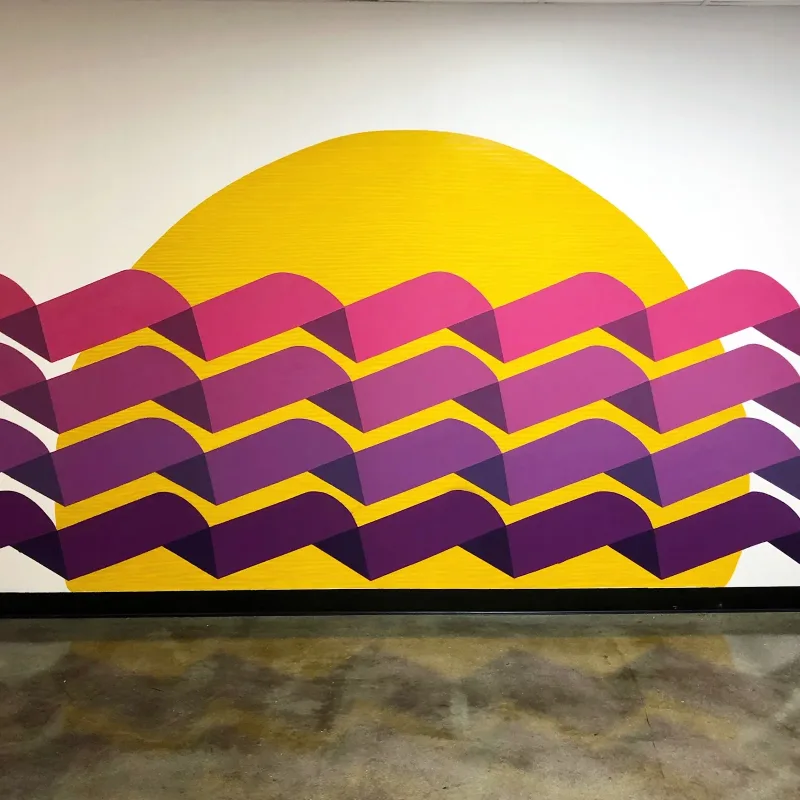
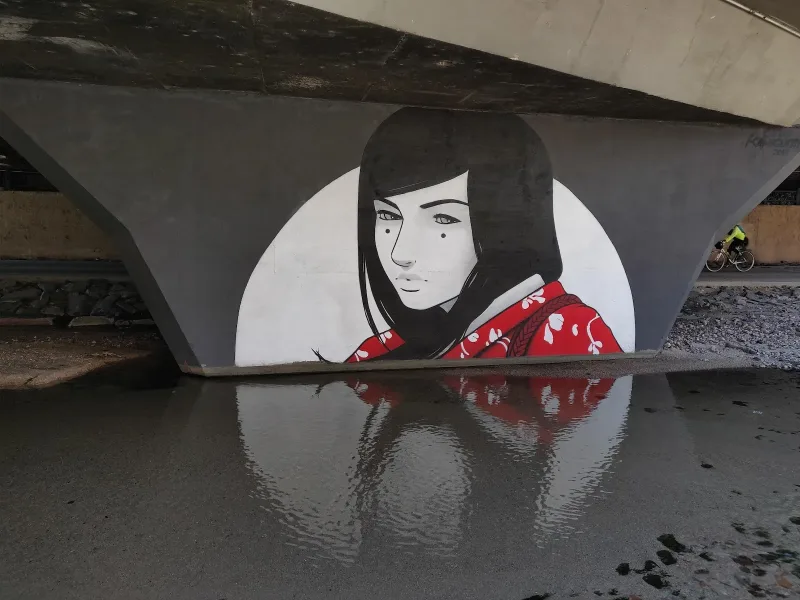
Weak design has nowhere to hide in minimalist work. Every mark has to earn its place. The composition has to hold without complexity to lean on, which makes this style deceptively difficult to execute well.
In architecture-forward spaces, minimalist murals feel like a natural extension of the design language. They do not compete for attention. Instead, they subtly guide the atmosphere of a room without announcing themselves.
The most effective minimalist murals use simple forms that become dramatic at scale. What might look unremarkable on paper becomes arresting when it fills a thirty-foot wall.
Best for: Modern offices, luxury residences, hospitality spaces, meditation rooms, galleries.
Cultural and Historical Murals
Cultural and historical murals are memory, not decoration. They preserve identity, honor heritage, and tell stories that might otherwise fade from public awareness.
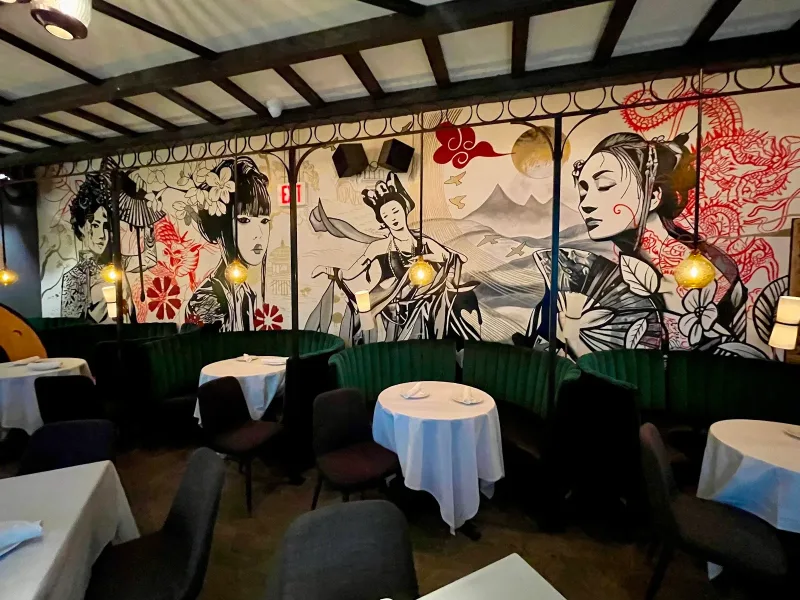
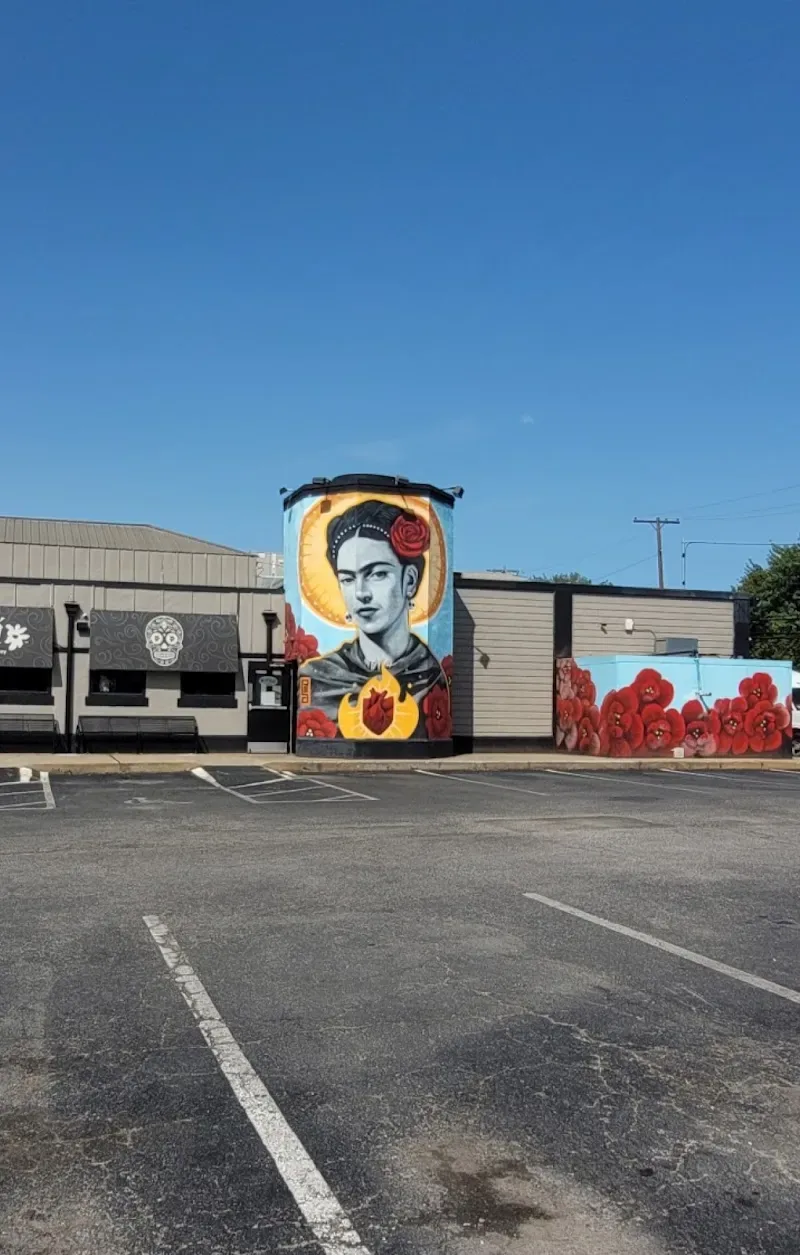
Cultural murals that land involve a collaborative process. Artists work with community members, historians, and local organizations to make sure the mural is rooted in place and truth. You cannot design this kind of work in isolation.
Cultural murals serve as visual records of changing communities. As neighborhoods evolve, these walls hold the stories that shaped them. They are some of the most meaningful public art being created today.
Best for: Community centers, schools, cultural districts, public buildings.
A Note on Color
Color is not technically a style, but it is the single biggest emotional factor in any mural. The same design in a different palette creates an entirely different feeling.
Across our directory, roughly two-thirds of murals are tagged as colorful. But louder is not always better. The most effective murals use color that responds to the environment. A vibrant wall works on a gray industrial building. That same palette on a historic brick facade might feel completely wrong.
Browse Colorful murals · Browse black & white murals
How to Choose the Right Mural Style
Choosing a style starts with understanding the space and the goal. Here are some common pairings:
- High foot traffic areas: 3D, graffiti, pop art
- Professional environments: Abstract, geometric, minimalist
- Restaurants and cafés: Illustrative, botanical, typographic
- Community spaces: Portrait, cultural, narrative
- Children's spaces: Whimsical, animals, illustrative
- Homes: Realistic, nature, abstract
Start by collecting reference images of murals you respond to. Pay attention to how they make you feel, not just how they look. Share those references with your artist and let the conversation shape the direction.
The murals that work do not just fill a wall. They complete the space around them.
If you are planning a mural project, you might also want to understand what a mural actually costs or read about how murals are transforming small businesses.
Frequently Asked Questions
What are the most common types of murals?
How do I choose the right mural style for my space?
What mural style is best for a business?
What is the difference between a mural and street art?
How long do murals last?
Related Articles
Are you a mural artist?
Create your free listing and reach clients searching for muralists nationwide.
Add Your Listing